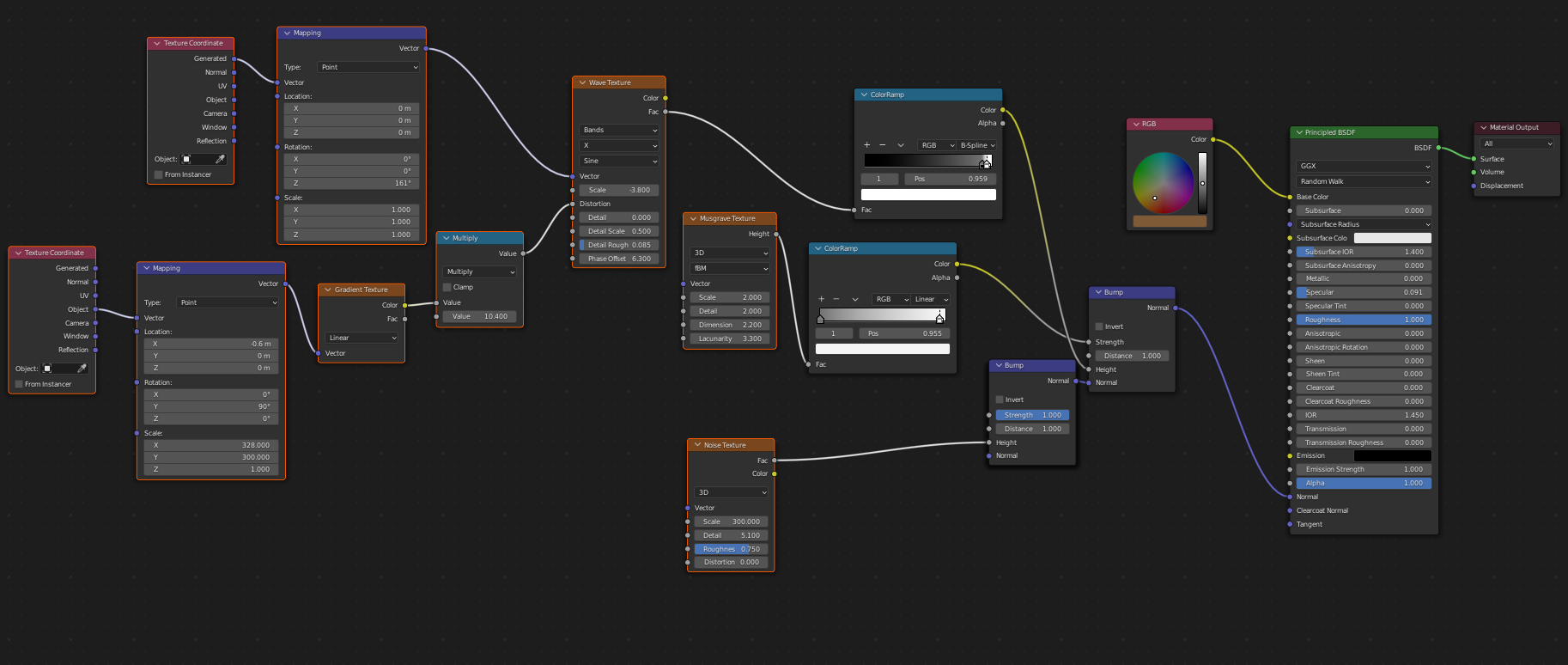
Render of pyramid environment
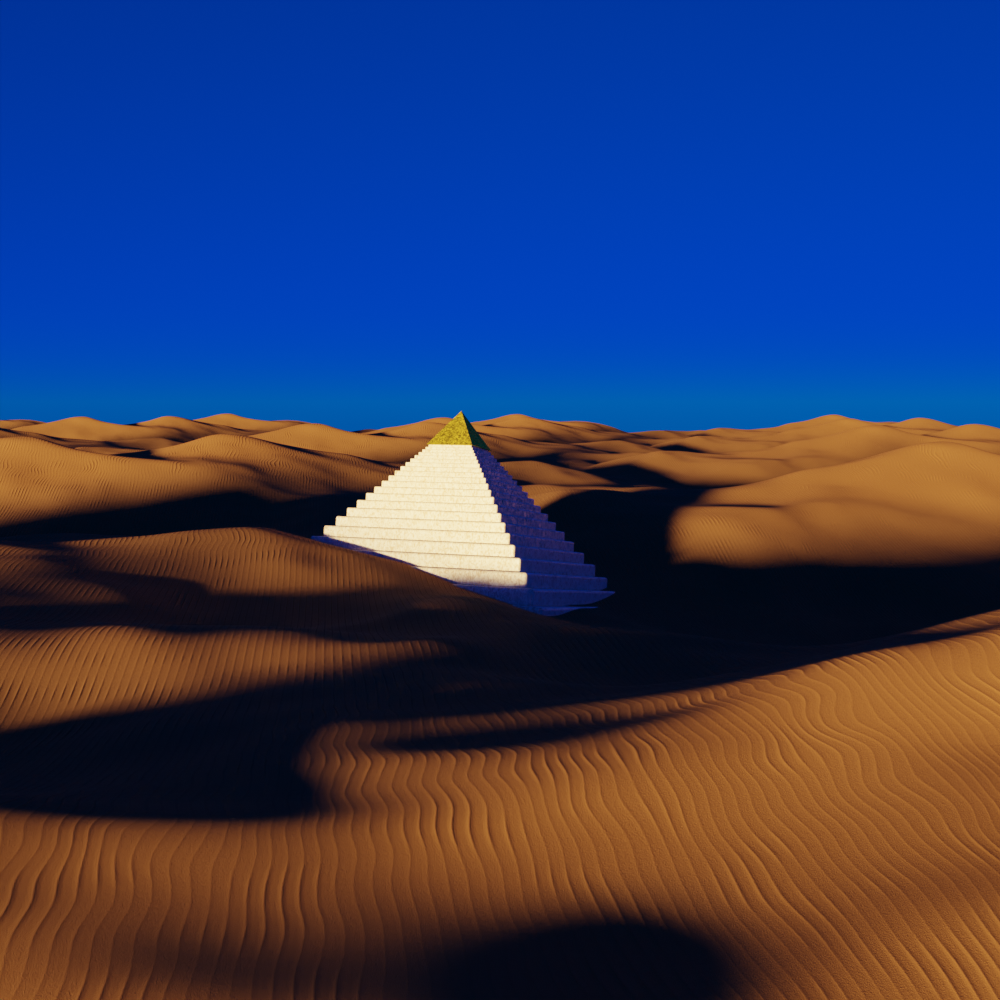
Render of mars-like desert pyramid.
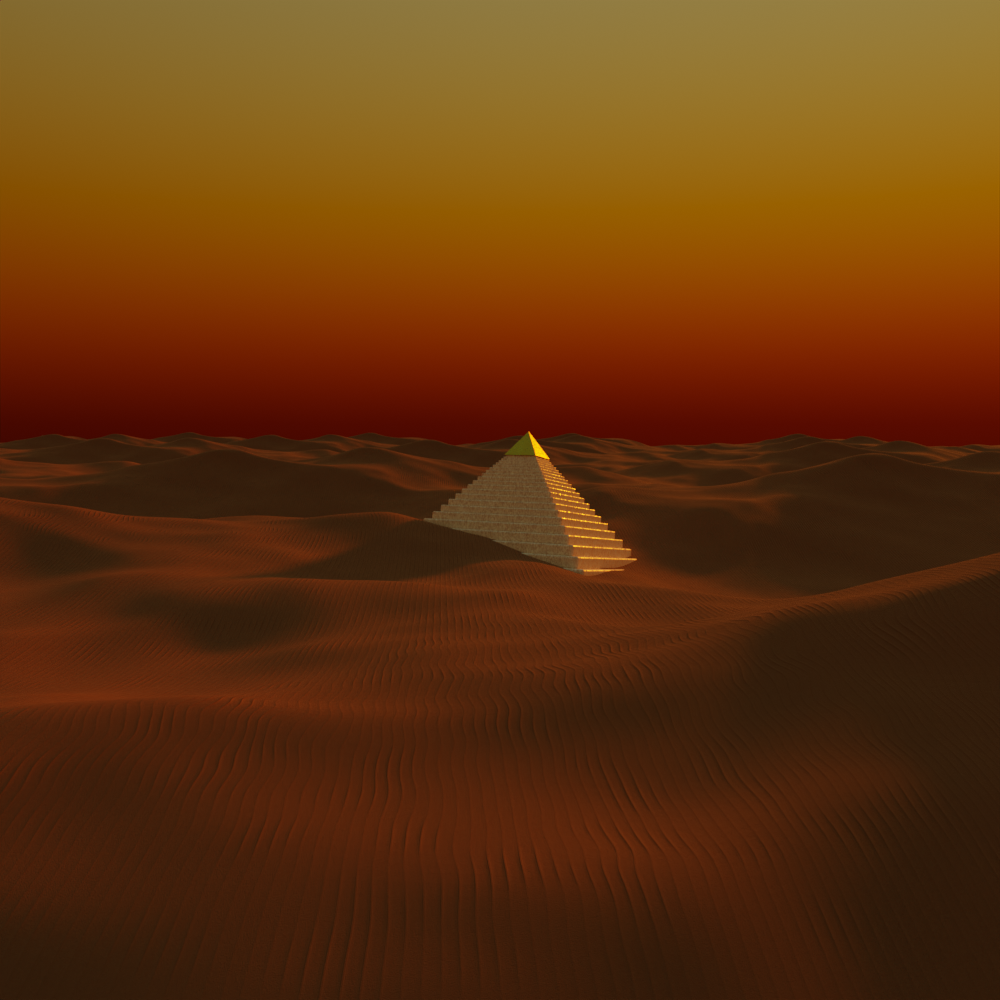
Material Breakdown
Here I used the ocean modifer to create the dunes
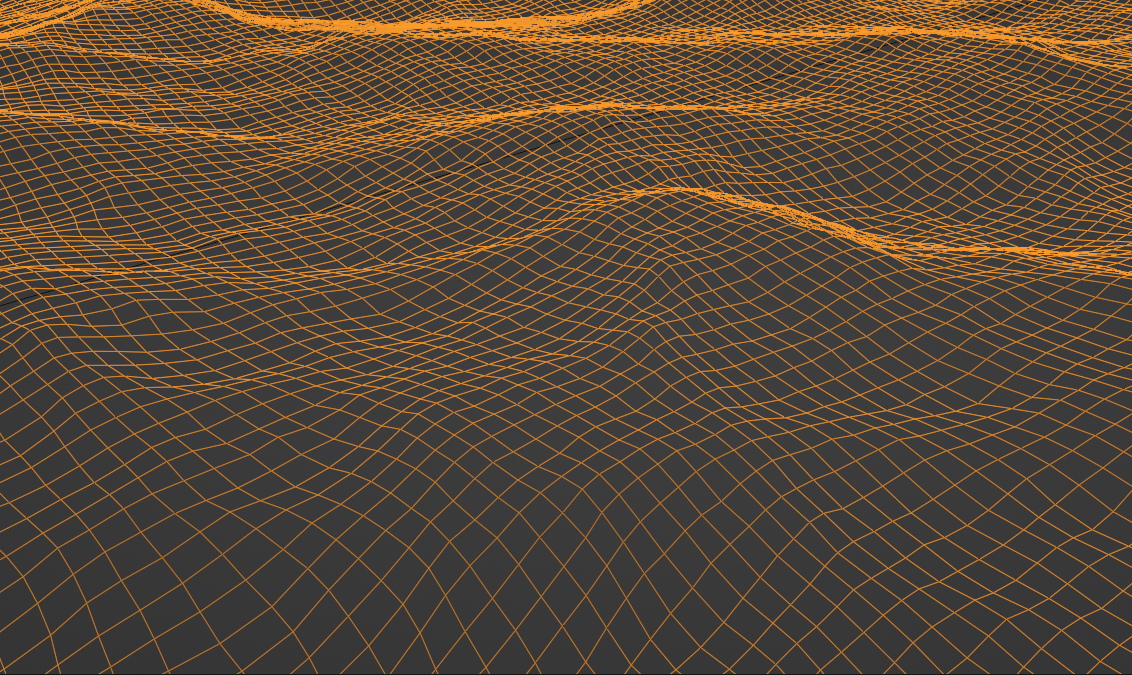
Then I created a color ramp based on the height of the dunes
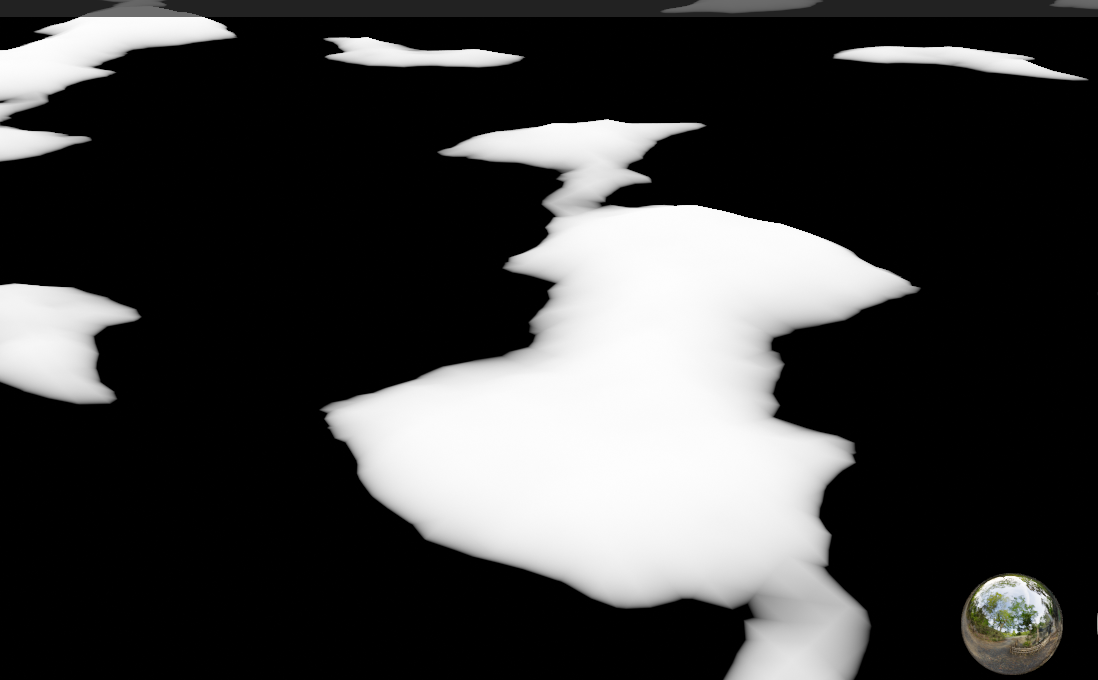
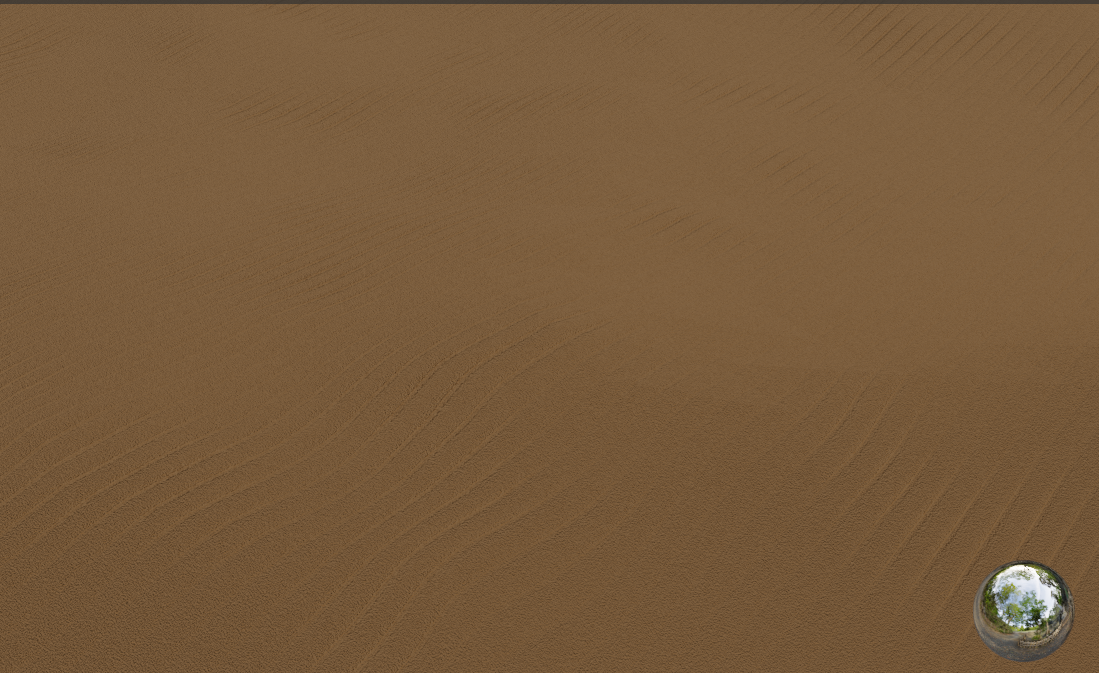
Sandlines were generated using the wave texture node, which looks very similar to the sandlines I am trying to replicate. This colorramp was then used to control the “waveiness” of the sand lines, which is something I noticed happening in real dunes when looking for reference images.
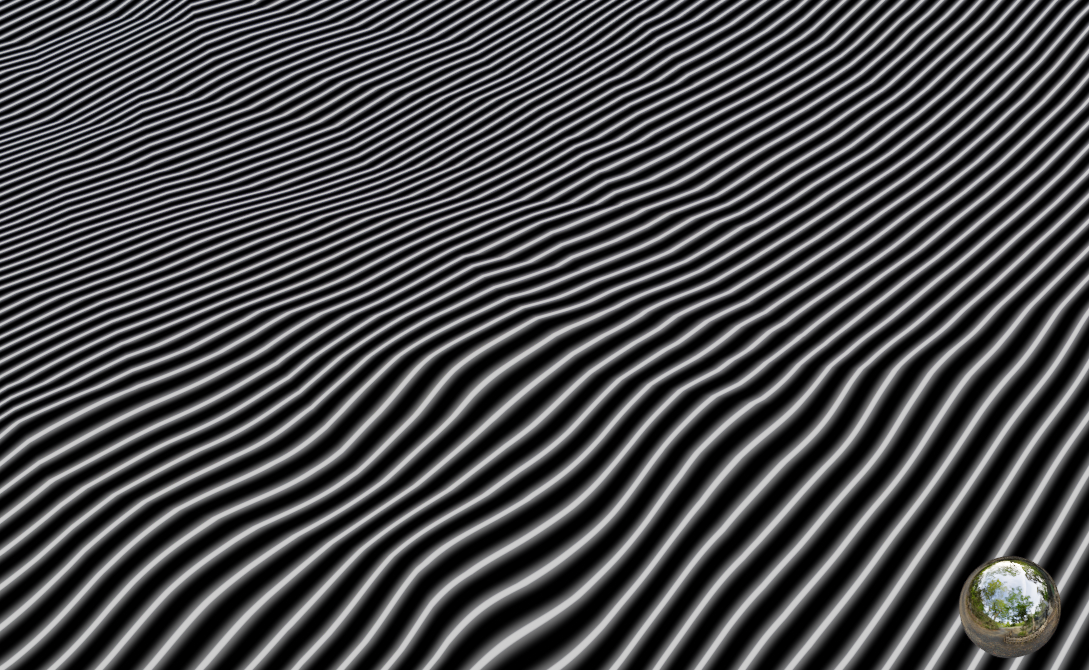
This wave was then combined with a noise map to add a little more texture for the sand grains. All of that was fed into a normal map which is something the renderer can use to fake more complex models. The normal map tells the renderer what way a given face is pointing in order to make somewhat convincing depth.
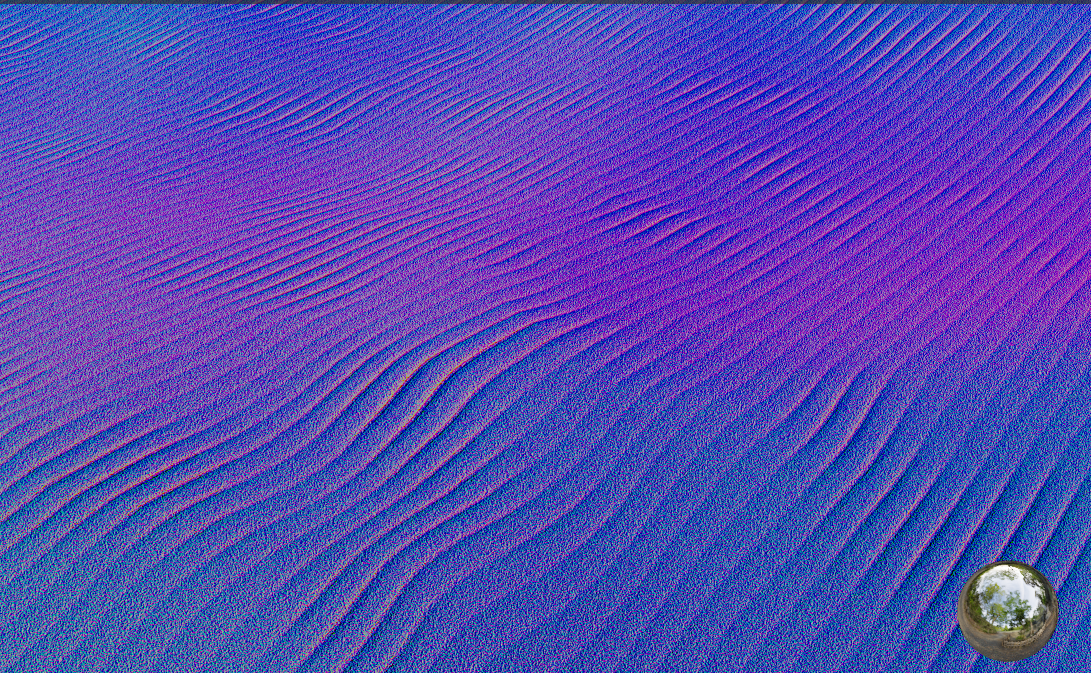
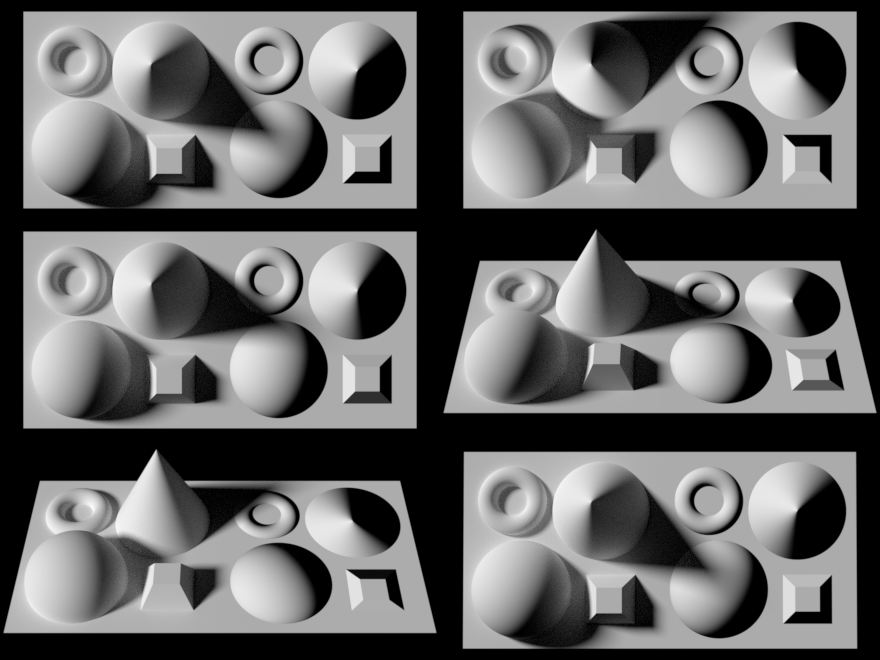
This gif made by Pac72 illustrates what normal maps are doing, the left being modeled shapes, and the right being normals maps generated from the models on the left. This shows how you can fake geometry with normal maps. Normal maps are very useful for speeding up the rendering of complex scenes. For example, in Video Games, where many frames need to be rendered every second.

When all is combined with a sand color, this is what we get.
Final node tree